
2025 Early-career Researchers talks: Elsa Greed – Caffeine, Brain-Muscle Communication, and Healthy Ageing: Insights from Non-Invasive Brain Stimulation
19/11/2025
Elsa Greed is a PhD student who is part of a cohort funded under the Vivensa Foundation multiple PhD studentship scheme at the University of Birmingham, studying how ageing affects the neuromuscular system. Elsa uses caffeine both as a potential intervention and as a tool to understand how brain-muscle communication changes with age, with the aim of supporting strength and independence in later life.
Elsa Greed, University of Birmingham
This talk explores whether caffeine, a widely consumed and accessible nutritional compound, can mitigate age-related declines in strength and fatigue resistance. It focuses on deterioration of the corticospinal tract, a key neural pathway for voluntary movement, which contributes to reduced motor control, increased fatigue, and loss of independence with ageing. Using transcranial magnetic stimulation and electromyography in younger and older adults, the research shows that caffeine enhances corticospinal excitability, extends time to fatigue, and improves strength, with particularly pronounced benefits in older adults. The talk also discusses potential mechanisms, including caffeine’s ability to counteract age-related adenosine accumulation and restore neural excitability, and outlines ongoing work to identify where in the neuromuscular system these effects are strongest to inform simple, evidence-based strategies to support healthy ageing.
Watch the recording
If you cannot see the embedded video below, then you can watch the recording on YouTube at this link.
Meet the speakers
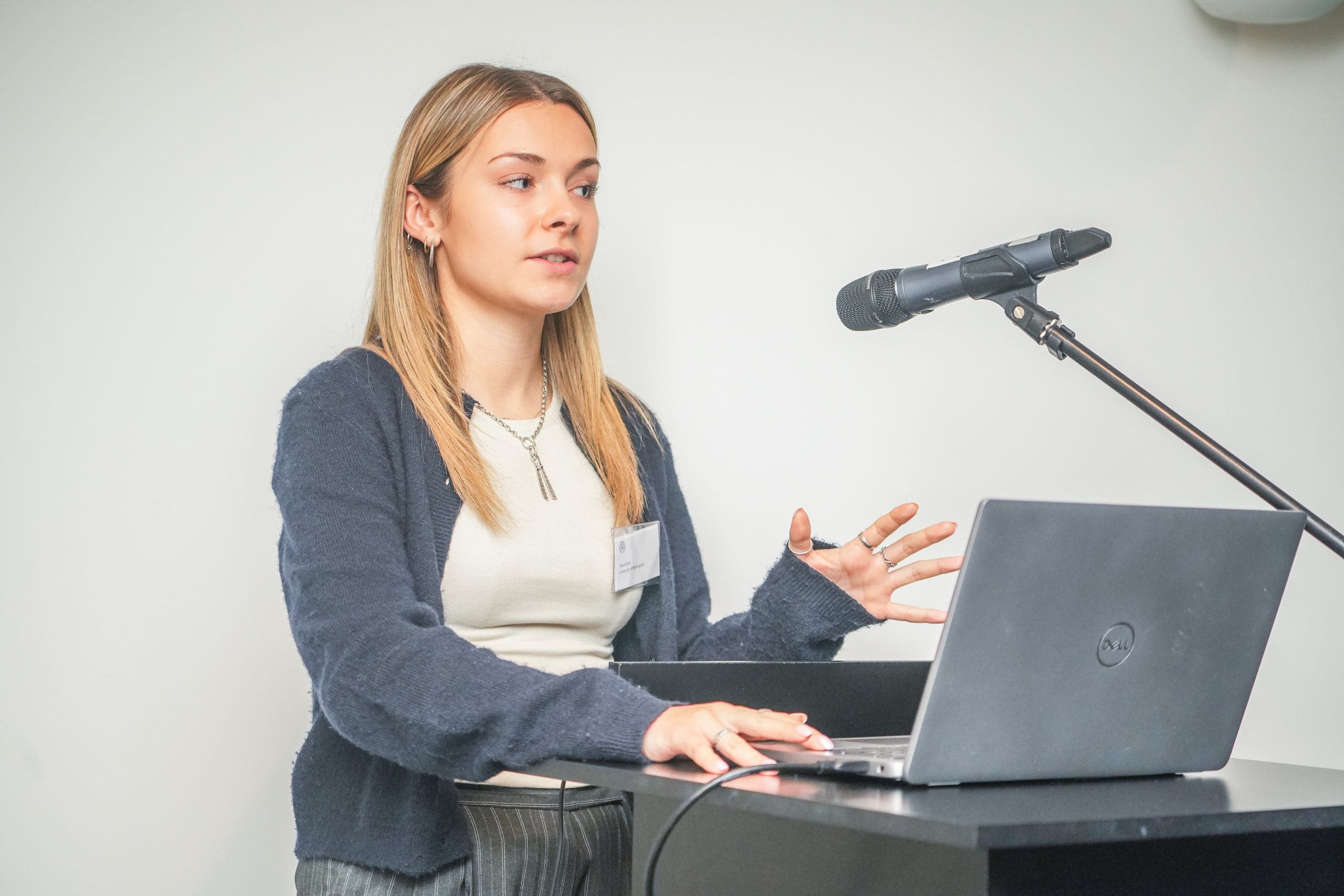
Elsa Greed
Elsa Greed is a PhD student who is part of a cohort funded under the Vivensa Foundation multiple PhD studentship scheme at the University of Birmingham, studying how ageing affects the neuromuscular system. Elsa uses caffeine both as a potential intervention and as a tool to understand how brain-muscle communication changes with age, with the aim of supporting strength and independence in later life.