Mid & East Antrim Agewell Partnership lead image

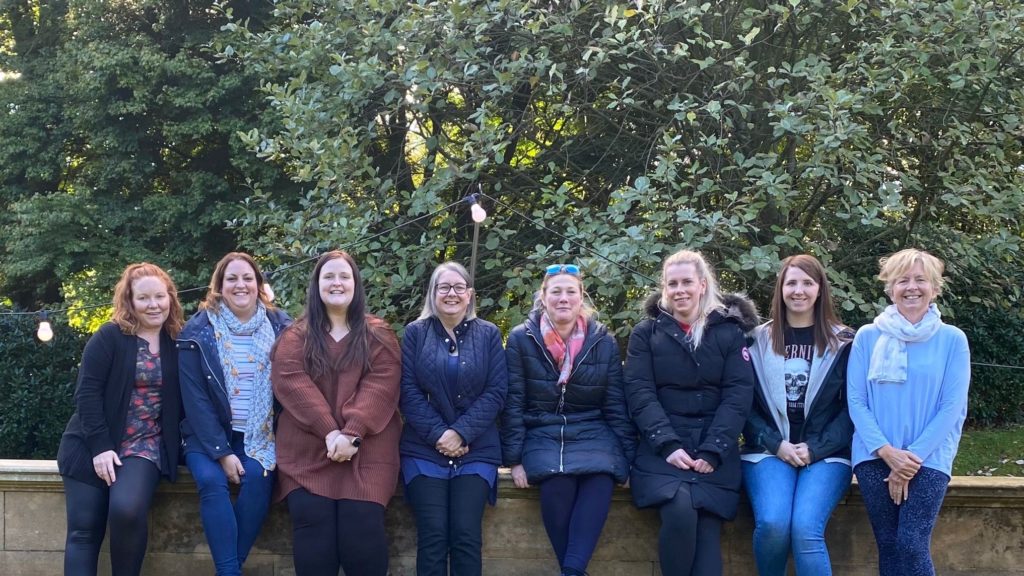
IMPACTAgewell® – Revolutionising the way that older people access healthcare

Older people may need support from a variety of health and social care providers. The IMPACTAgewell® project brings together a range of different providers to create a holistic model of care. They support older people to understand and navigate the health and social care services that they need, empowering them to take control.

Red and white roses climbing up a graffitied concrete wall

What does ‘good care’ look like? Understanding the complex systems in care homes

Change is a common and necessary part of care environments – but what sort of culture within care homes leads to them adapting well to change? Dr Al Ross and his team wanted to understand what ‘good care’ looks like, discover which aspects of care homes’ systems and culture support this, and share their findings to improve life for older people in care homes.

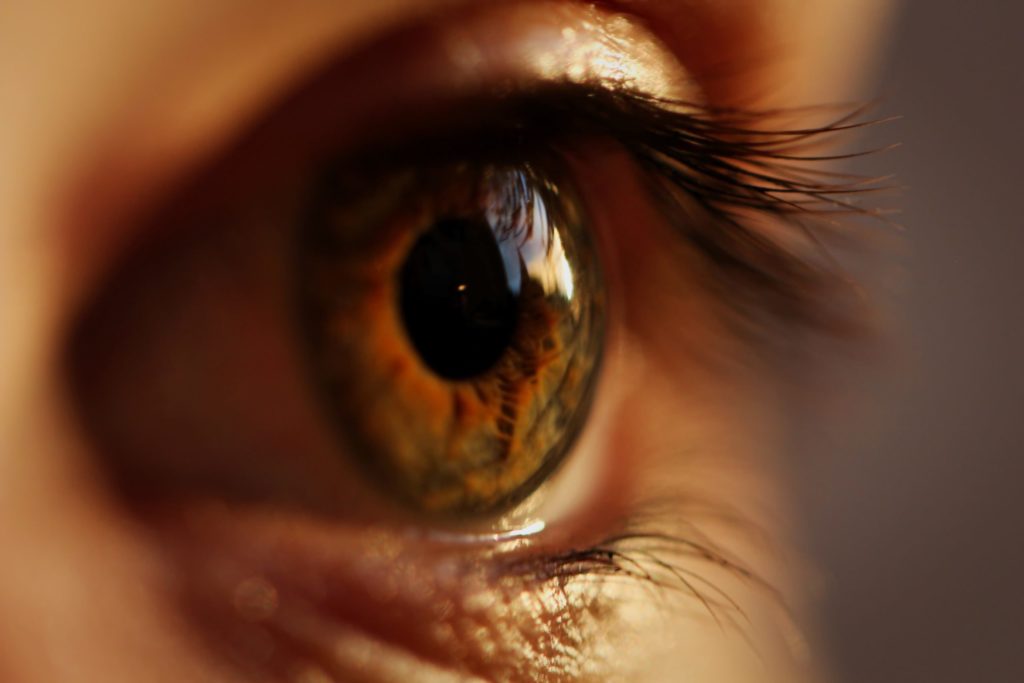
Anatomical model of the eye and optic nerve

Dropping the needle: developing a less invasive method to deliver drugs for age-related macular degeneration

Age-related macular degeneration is one of the biggest causes of sight loss in the UK – yet the only treatment available for the condition involves injections directly into the eye. Many patients are desperate for a less invasive treatment, especially one that doesn’t require hospital visits. Dr Felicity de Cogan and her team have discovered a way to carry drugs across the eye’s protective membranes, moving towards the development of eye drops to treat the disease.

Aerial view of tree stump showing rings of old wood

Making the extra years count: understanding life expectancy in the context of years spent disability free

We know that people are living longer, but simply measuring life expectancy doesn’t tell us anything about the quality of life that older people are experiencing. In this research, Professor Carol Jagger and her team are using longitudinal data to assess how much of this increased life expectancy is spent with disability – and whether changes are seen across the population, or are affected by deprivation.

Grayscale close-up of 3D-printed surface

Can 3D printing provide a better way to make dentures?

The techniques used to make dentures are labour-intensive, expensive, inaccurate and have remained largely unchanged for decades. Recent advances in technology now make it possible to create 3D printed dentures, so Dr Andrew Keeling is finding out if this is feasible, and whether the results are acceptable to wearers and as good or better than existing dentures.

Cartilage cells close-up

How does ageing change our cartilage?

We know that the spongy cartilage between bones changes during ageing and osteoarthritis, but it’s not clear how these processes are related. By comparing what’s happening in cartilage cells at a molecular level during ageing and osteoarthritis, Dr Simon Tew is gathering insights that will pave the way for future therapies.

Five sets of stone 'towers' balanced on log

Do fall-prevention exercise programmes benefit older people in the long term?

Specially-designed exercise programmes have been shown to help prevent older people from falling. However, we do not know how well these exercises benefit people in the longer-term. In her PhD studentship, Dr Susanne Finnegan followed up with people after a trial of a fall-prevention exercise programme to find out if they were still exercising, and what motivated them to keep going.

Two lines of footprints in sand

Understanding how people use walking frames in their daily lives

Many older people use walking aids to get around, but there are questions over their effectiveness. Using technology to measure the stability of walking frame users in different environments, Dr Sibylle Thies was able to understand more about the use of these aids in daily life, and develop new advice for safer usage.