Multiple spherical light bulbs viewed looking up

Long-lived naked mole-rats are helping us understand healthy ageing

To understand how brains age, researchers often study short-lived rats and mice. Another rodent, the naked mole rat, lives for decades and ages healthily. Professor Ewan St. John Smith and his team are examining this unusual animal to see whether its unique ageing biology can unlock new ways to treat and cure neurodegenerative diseases.


Photo of human left hand in stream of light

Spotting dementia earlier in the deaf community using an automated screening tool

Within the older British Sign Language community, dementia can show itself as changes in the way someone signs – but these subtle changes are hard to spot by those who don’t use sign language. Dr Anastasia Angelopoulou and her team have developed an automated machine learning tool that can spot these changes. The tool will help identify the early stages of dementia among older users of sign language – ensuring they get the right support quicker.

Close-up photo of walnuts on a dark background

Can ‘brain training’ pass the test? Exploring whether people with dementia can brain train at home

Brain training is a fun and simple intervention to keep minds active in older age. However, there are many unknowns. What benefits does it have on the brain? And can people living with dementia realistically brain train using technology they’re not necessarily familiar with? Dr Lucy Beishon wanted to find out whether people living with dementia can do brain training at home using a computer, and to see if it has potential to bring benefits.

Mid & East Antrim Agewell Partnership lead image

IMPACTAgewell® – Revolutionising the way that older people access healthcare

Older people may need support from a variety of health and social care providers. The IMPACTAgewell® project brings together a range of different providers to create a holistic model of care. They support older people to understand and navigate the health and social care services that they need, empowering them to take control.

Red and white roses climbing up a graffitied concrete wall

What does ‘good care’ look like? Understanding the complex systems in care homes

Change is a common and necessary part of care environments – but what sort of culture within care homes leads to them adapting well to change? Dr Al Ross and his team wanted to understand what ‘good care’ looks like, discover which aspects of care homes’ systems and culture support this, and share their findings to improve life for older people in care homes.

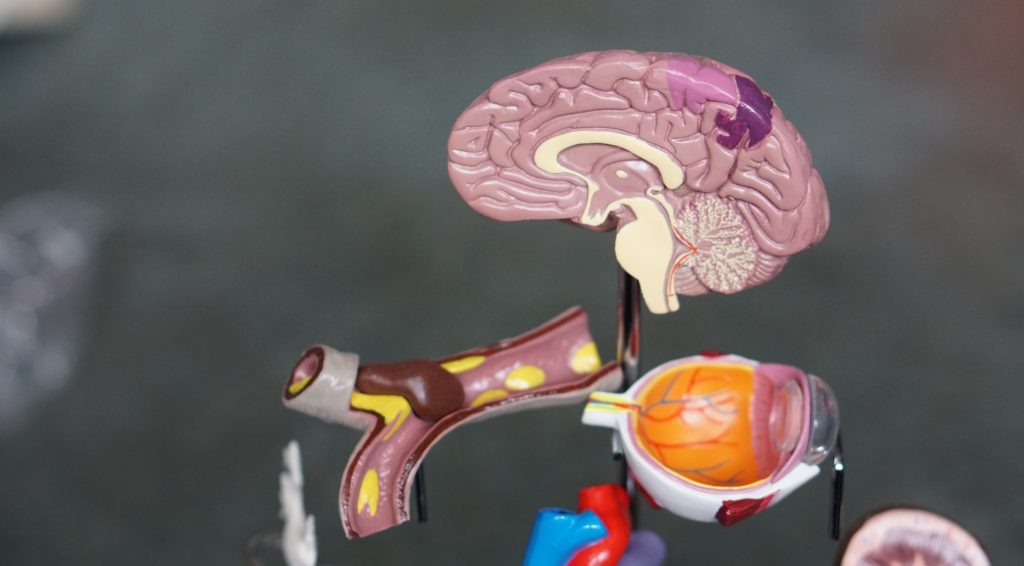
Anatomical model of the eye and optic nerve

Dropping the needle: developing a less invasive method to deliver drugs for age-related macular degeneration

Age-related macular degeneration is one of the biggest causes of sight loss in the UK – yet the only treatment available for the condition involves injections directly into the eye. Many patients are desperate for a less invasive treatment, especially one that doesn’t require hospital visits. Dr Felicity de Cogan and her team have discovered a way to carry drugs across the eye’s protective membranes, moving towards the development of eye drops to treat the disease.

Aerial view of tree stump showing rings of old wood

Making the extra years count: understanding life expectancy in the context of years spent disability free

We know that people are living longer, but simply measuring life expectancy doesn’t tell us anything about the quality of life that older people are experiencing. In this research, Professor Carol Jagger and her team are using longitudinal data to assess how much of this increased life expectancy is spent with disability – and whether changes are seen across the population, or are affected by deprivation.