

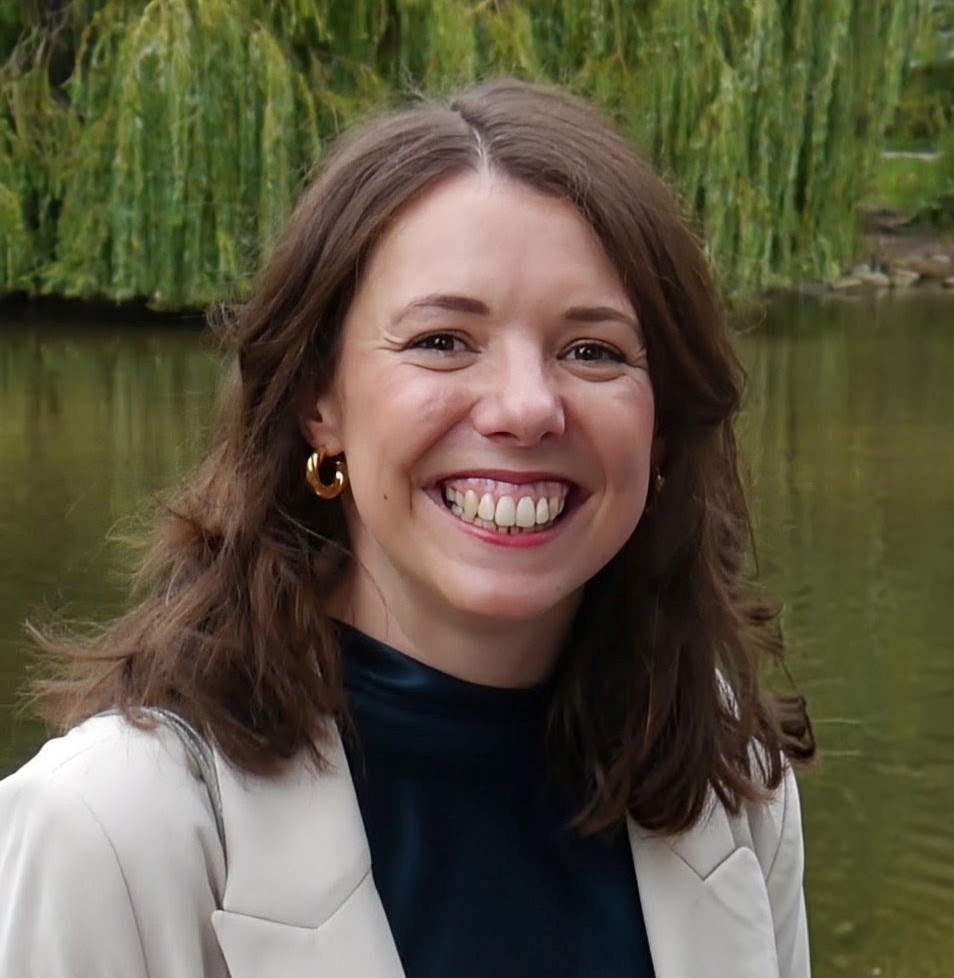
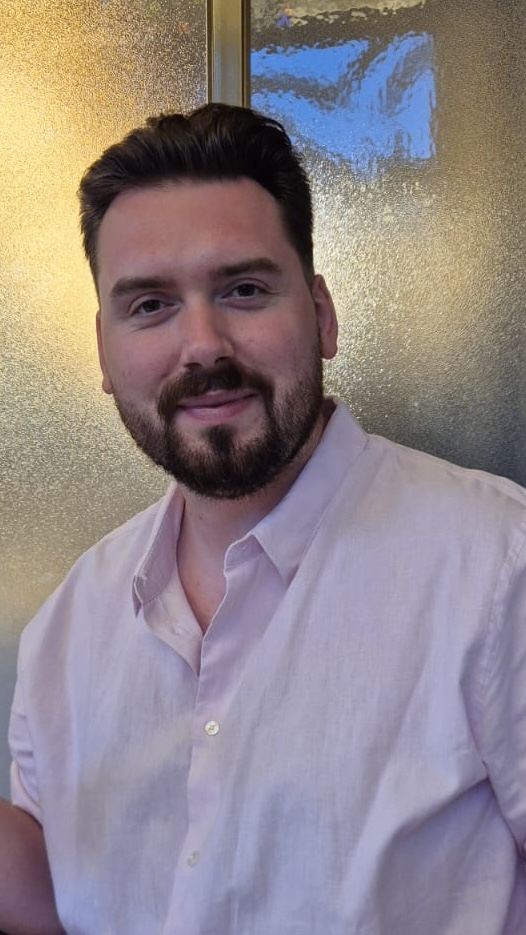
This Fellowship scheme supports postdoctoral researchers as they begin on their path toward becoming independent researchers. This represents the second round of the scheme (please see further details of the first round here). Following the application process which took place in 2025/26, we would like to welcome our recently appointed Early Career Postdoctoral Fellows – Dr Emily Fisher (University of Sheffield), Dr Jack Roberts (Newcastle University), Dr Nuno Koch Esteves (University of Southampton) and Dr Xiaowen (Shirley) Ma (Newcastle University).


The present round of the scheme was open to all eligible research organisations in the UK (with a limit of one candidate per Department / Centre / Institute). We received 29 eligible applications which underwent external peer review. The applications and peer reviews were then assessed by a Panel comprising members of the Foundation’s Research Grants Committee and invited experts listed below. Following this, applicants were shortlisted and provided with feedback whether or not they were invited to interview by the following panel:
- Professor Carmel Hughes, Queen’s University Belfast (Chair of the Panel, Trustee and Chair of the Research Grants Committee)
- Dr Jenni Burton, University of Glasgow (Vivensa Academy Rising Star Excellence Award holder)
- Dr Kerri Kinghorn, University College London (former Vivensa Foundation Proleptic Fellow)
- Dr Mark Burton, University of Southampton (Vivensa Foundation Proleptic Fellow)
- Dr Mariana Borsa, University of Oxford / University of Basel (Research Grants Committee member)
- Professor Nicholas (Nik) Rattray, University of Strathclyde (Research Grants Committee member)
- Dr Toby Ellmers, Imperial College London (Vivensa Academy Rising Star Excellence Award holder)
The Panel interviewed six candidates and provided additional feedback based on their assessments during the interviews. We wanted to say thank you to those who applied, as we do appreciate the time and effort that goes in to making an application. We also appreciate the large amount of time and effort that goes into assessing grant proposals, and we wouldn’t be able to keep funding high-quality research without the help of reviewers, panellists, and committee members. We’d therefore like to take this opportunity to thank all those who contributed to the assessment of these proposals.
Following approval by the Research Grants Committee, four applications were funded and the overall success rate for this round was 14%. Further details on the four funded projects are provided below.
Please expand any of the project titles below to read more information, including the lay summary:
Lead applicant: Dr Emily Fisher (University of Sheffield)
Duration: 36 months
Summary:
What this project is about: For families and carers looking after someone with dementia, their journey is often filled with sadness and grief, both before and after the person passes away. This can be strong and long-lasting, making it difficult to move forward. Families and carers of people with dementia are much more likely to experience long-lasting grief. This disproportionately affects older carers, who are more likely to care for someone with dementia, compared to any other condition. Still, many face these challenges without enough support, which puts them at greater risk of physical and mental health issues. This project directly addresses this critical issue.
What will I do: The project has five main parts, each helping us build a fuller picture of available grief and bereavement support for carers of people with dementia, and how to improve it:
- Review of services to identify the current support services and ways of helping families of people with dementia who are experiencing grief.
- A UK survey of support services to find out what grief and bereavement support they offer to families of people with dementia.
- Talking to services to learn about what works well when supporting families with grief, and what makes it difficult or easy to provide help.
- Talking to people who are caring for someone with dementia to understand their personal experiences of trying to get support for their grief, and whether they found it or not.
- Working with carers and support providers to develop practical, real-world solutions for improving grief and bereavement support for the families of individuals with dementia, using all the information gathered from Parts 1-4.
I’ll look at how factors like age, gender, ethnicity and location create differences in grief experiences and access to support. My inclusive approach will ensure a diverse range of carers can easily take part. A group with lived experience of caring for someone with dementia will oversee the study, and I’ll collaborate with carers and support services to develop the final recommendations.
What I hope to achieve: This work will be a crucial step towards improving support for families coping with dementia and grief. I will share clear examples of good support and actionable advice for tailoring grief and bereavement support. I will share findings and recommendations with local and national support services and key decision-makers to create a meaningful and lasting impact on the support available for families and carers of people with dementia.
Lead applicant: Dr Jack Roberts (Newcastle University)
Duration: 36 months
Summary:
Osteoarthritis is the most common joint disease, affecting older people and worsening with age. It occurs when cartilage – the smooth tissue that cushions our joints – gradually breaks down, leading to pain, stiffness, and difficulty moving. This can make everyday tasks harder, reducing independence and quality of life. People are living longer, meaning osteoarthritis is becoming an even greater burden on individuals and healthcare systems. There is currently no cure.
We know that genetics plays a role in who develops osteoarthritis. Genes act like instruction manuals for our cells. Faulty instructions may cause cartilage cells to behave abnormally – producing harmful molecules that break down the cartilage. However, many genes linked to osteoarthritis are still poorly understood. It is therefore difficult to design treatments that could prevent or slow osteoarthritis.
In this project, I will investigate an understudied set of genes that may be causing osteoarthritis. These genes were identified using a cutting-edge computer model that brings together large amounts of data from cartilage, bone, and genetic studies. My research will focus on three key areas:
- Understanding gene effects on cartilage cells: I will switch these genes on or off in cartilage cells taken from osteoarthritis patients who have had knee replacement surgery. I will then measure how the activity of other genes changes and compare this to the known patterns seen in osteoarthritis. This will help reveal which genes are most strongly linked to this disease.
- Testing how genes affect cartilage health: I will investigate the most promising genes in more detail using laboratory models of cartilage tissue. I will look at how these genes influence key processes like inflammation, repair, and the ability to produce healthy cartilage. I will also test whether the genes control important molecules or pathways known to be involved in musculoskeletal ageing and joint damage.
- Studying gene effects in a mouse model of osteoarthritis: Finally, I will study the most promising gene from a whole joint perspective, observing the effects not only on the cartilage but also the bones and other tissues surrounding the knee. This will provide deeper insight into how this gene causes osteoarthritis.
This research will lay the foundation for future treatments by identifying which genes are most important in osteoarthritis and whether they could be targeted by new treatments. In the long term, it could help people stay active, mobile, and independent as they grow older.
Lead applicant: Dr Nuno Koch Esteves (University of Southampton)
Duration: 36 months
Summary:
As our planet gets hotter, heatwaves are becoming more common and more dangerous—especially for older people. During extreme heat, many older adults become seriously unwell or even die. We know that ageing makes it harder for the body to cool down, by sweating less. But one important part is often overlooked: how well people can feel heat and sweat on their skin, and how quickly they act to cool down and self-manage their health when feeling hot.
This project will explore how age, income, and background affect how people sense heat and respond to it. When we feel too hot, most of us naturally do things like turn on a fan, drink cold water, or find some shade. But for some older adults, these cooling actions might not happen in time—either because they do not feel hot or sweaty quickly enough, or because they face challenges in everyday life that make it harder to act.
I will lead a personal fellowship called CARE-HEAT at the University of Southampton alongside a team of world-leading researchers in skin health and community research, which will involve volunteers from ages 18 to 90, with different life experiences and backgrounds. The volunteers will take part in three types of activities: first, we will test how well they can feel changes in skin temperature; second, we will check their skin health to understand what might affect these senses; and third, we will observe how they react during a safe, one-hour session in a hot indoor environment that mimics a heatwave.
By combining all this information, we will learn how ageing and social factors work together to affect how people sense and manage heat. This will help identify who is most at risk—and why. The goal is to give better advice to public health teams, housing providers, and care homes, so they can protect those most affected by rising temperatures. In the end, this research aims to help everyone—no matter their age, income, or background—stay safe and healthy in a warmer world.
Lead applicant: Dr Xiaowen Ma (Newcastle University)
Duration: 36 months
Summary:
As people live longer, we are facing new health challenges linked to ageing. One of these is a common but often overlooked liver condition called MASLD (metabolic dysfunction-associated steatotic liver disease), previously known as NAFLD (non-alcoholic fatty liver disease). MASLD affects around 1 in 4 adults in the UK and is becoming even more common in older people. It starts with fat building up in the liver and can worsen over time, leading to liver inflammation and scarring(fibrosis), liver failure, or even liver cancer. Unfortunately, only limited pharmaceutical treatments exist for MASLD. This research aims to understand why ageing makes some people more vulnerable to MASLD and how we can develop better ways to prevent or slow it down. In particular, I will study how retinoic acid, a molecule made from vitamin A, helps protect the liver and how this process may change with age or disease. Retinoic acid plays a key role in keeping the liver cell renewal, and its breakdown may be linked to increased liver damage in older adults. To do this, I will use a combination of methods: (1) Human data from large health studies, to explore how vitamin A and retinoic acid change with age in the liver. (2) Laboratory tests on mouse liver, to look at how retinoic acid distributes in real tissues. (3) Using mouse model to test if vitamin A intake can restore retinoic acid signals and reduce liver damage. (4) Evaluate the association of vitamin A intake and liver health in large-scale population. By uncovering how vitamin A metabolism and ageing affect the liver, this project could lead to new nutritional or medical strategies to promote healthier liver ageing. These findings could benefit older adults, patients with liver disease, and support healthcare professionals and policymakers working to reduce the growing burden of chronic liver conditions in our ageing population.
Congratulations to the successful applicants and we very much look forward to working with you. We hope that the unsuccessful applicants found the feedback provided to each of them helpful.
The most recent round of the scheme closes on the 22nd May 2026. In the meantime, feel free to explore our other funding opportunities and those from other UK Ageing Research Funders’ Forum members. Join our mailing list to stay informed about our future activities and funding calls – you can add your details here.