
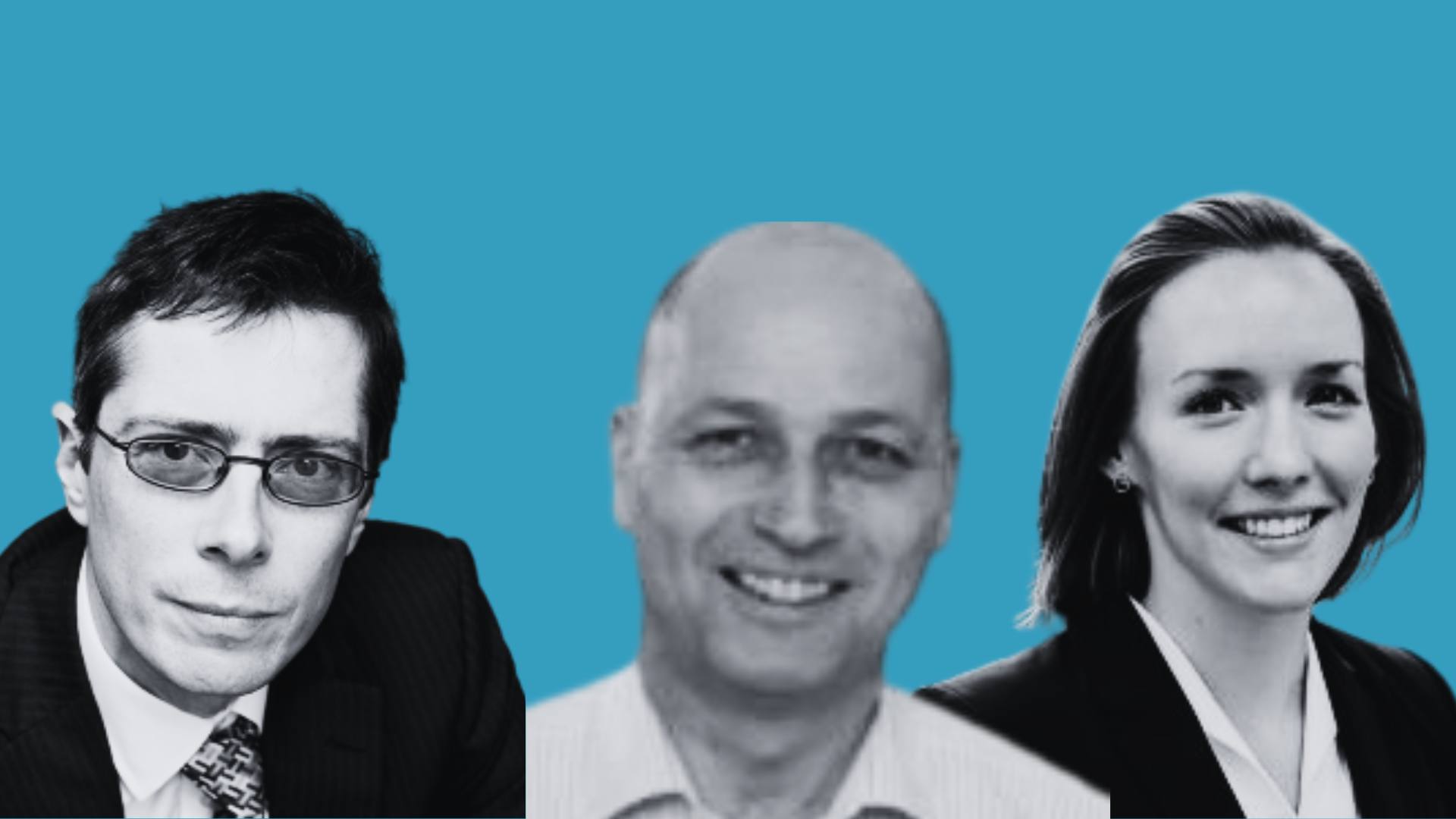
The Vivensa Foundation’s Investment Committee consists of eight members, including CEO Katy Saunders and Chief Investment Officer Andrew Gnaneswaran. It is responsible for investing our £180m endowment across public and private market asset classes, alongside social investments. As we continue our journey to become an impact-intentional investor, we chat to Aidan Kearney, Martin Rich and Amelie Montague about what it’s like to serve on the Investment Committee.
Aidan Kearney is one of the longest serving members of the Investment Committee. He joined in 2020 and is in his second term. Aidan spent his career in the city working in investment management, and it took him a while to adjust when he moved into the foundation world. When he first met our previous CEO Susan Kay and learnt about our work, Aidan was Chief Investment Officer at The Health Foundation. He explains: “Although I came from the investment world, it was such a different mindset and context. The city is competitive, capitalist and extreme. It’s about performance and finding the edge. I discovered that in foundations, everyone is open and willing to share learning. I found that remarkably refreshing.”
Martin Rich joined in January 2025. He was previously Senior Independent Trustee and Chair of the Endowment Investment Committee at The Access Foundation, where he worked with Andrew Gnaneswaran (who went on to become our Chief Investment Officer). He says: “When my time at Access was coming to an end, I started looking for other opportunities. I wasn’t interested in joining an organisation where I had to persuade the Board to invest money in the right way – I’d spent far too much time doing that already. I wanted to join an organisation where the difficult conversations had already taken place, decisions had been made and it was time to get stuck in – and that was the Vivensa Foundation.”
Amelie Montague joined the Committee shortly after Martin, in February 2025, making her the newest member. With a background primarily in private markets, she was keen to learn more about overseeing a multi-asset class portfolio. She says: “What drew me specifically to the Vivensa Foundation was their progress in embedding impact objectives across the entire endowment. I hoped that my social investment experience would be helpful on that journey. During the interview process I had a strong sense of shared values and ambitions on how foundations can better contribute to some of society’s most pressing challenges.”
Proactively moving forwards
Aidan points out that while foundations may only have a small voice in a vast, capitalist pool, they have voices nonetheless. He thinks that they need to have solid identities, beliefs and show an ownership and responsibility for what they hold. He explains: “It’s important to know what issues mean for us. Not what industry is saying. Not what we read in the paper. It’s great that the Vivensa Foundation have clearly enunciated their beliefs and intentions. Their investment policy states what they are trying to do with their investments, what risks they are willing to take and what return expectations they have.”
When Martin joined our Investment Committee, he was reassured that we were heading in the right direction and getting things done. “I’ve worked in and around this space for the last 15+ years, and there are people who spend an awful lot of time talking about impact-intentional investing. I can think of organisations I spoke to 15 years ago who are still talking about doing it but are no further forward. The Vivensa Foundation are prepared to get started and learn as they go.”
Amelie echoes this point and is excited by our willingness to test boundaries. She says: “There’s still work to do in defining what ‘mission-aligned’ really means when you’re investing in everything from public equities to pre-seed venture capital funds; impact measurement across a multi-asset class portfolio is complex. But I’m grateful to be working with an organisation that’s proactively wrestling with those questions.”
A rewarding role
Aidan talks about the importance of a knowledgeable Investment Committee, where everyone contributes to the conversation. And equally important is making sure any skill gaps are filled. He says: “I think having a macro thinker is useful – somebody who thinks very big but doesn’t necessarily have the answers. They are helpful in putting a thought on the table that has to be fleshed out and a solution found. But there is only room for one, because if you had a table of thinkers and not doers you’d be travelling nowhere.”
Martin adds: “I would absolutely and wholeheartedly recommend joining the Vivensa Foundation’s Investment Committee. It’s punching above its weight and trying to get stuff done. It’s not afraid to show leadership in this space, which is sadly lacking. You would be joining a very dynamic, experienced and thoughtful team. It’s a safe environment where we’re given space to speak, challenge, learn, understand and question – there are no stupid questions.”
Amelie describes it as a rewarding role. Not only has she learnt a lot from fellow committee members who bring decades of investment management expertise, but also from the wider Vivensa Foundation team. She explains: “I’ve really enjoyed working with Andy, Sue, and now Katy as our new CEO. They’ve been instrumental in taking the Board and Investment Committee on a learning journey over the past few years, challenging us to think beyond conventional endowment management.”
_____________
Here are some reflections on our journey to becoming an impact-intentional investor. You can read more about how we developed a values-aligned investment framework here.