
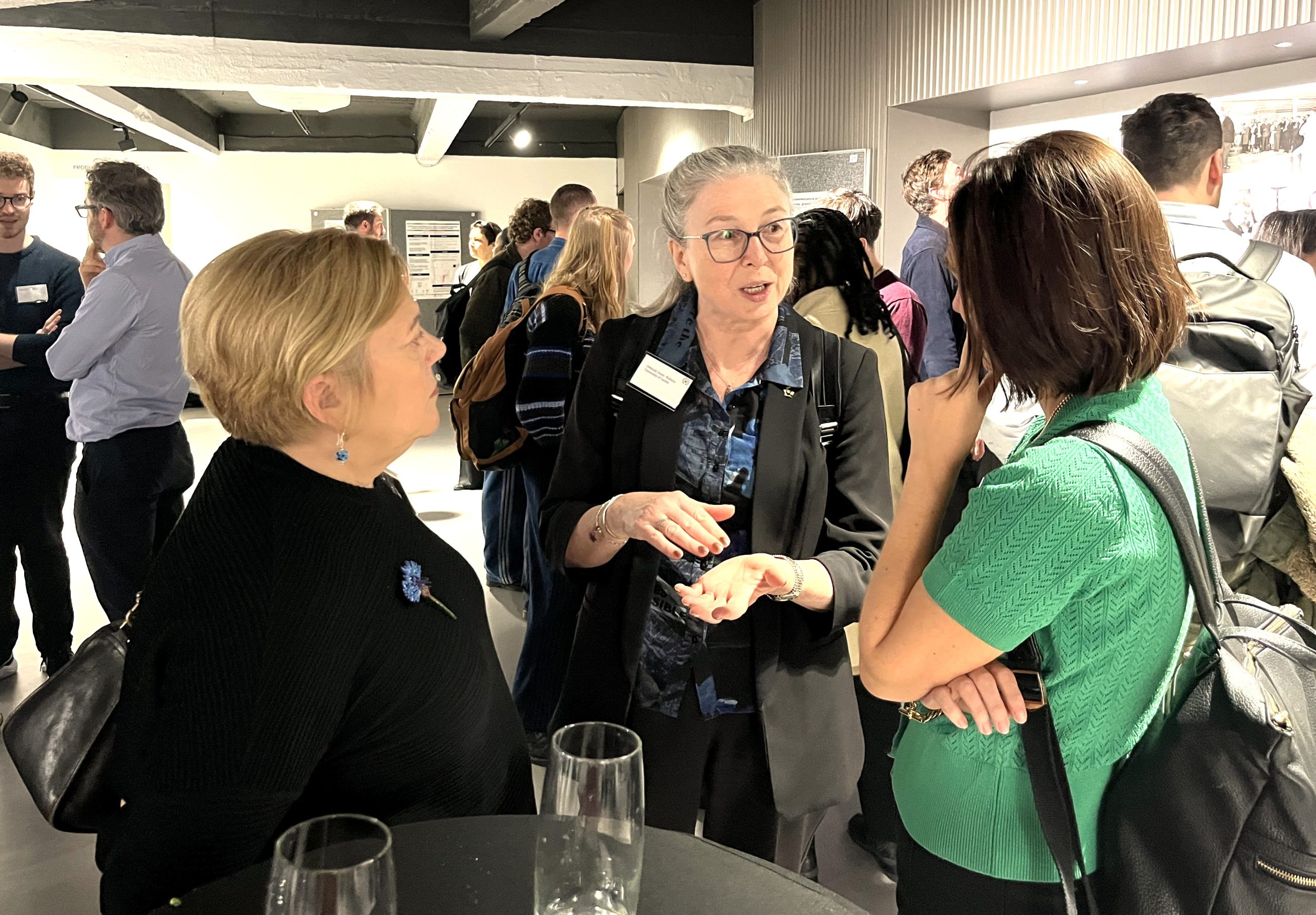
This is the third instalment of our four-part conversation series with outgoing Chief Executive Officer Susan Kay (SK) and her successor Katy Saunders (KS). In the last article, they talked about how collaboration serves to de-risk change – by avoiding duplication and wasted effort and building organisational resilience. They expand on the discussion here, focusing on the importance of sharing learning openly and understanding risk appetites in supporting innovative change.
Why is it important for organisations to share learning?
SK: If you support the concept of ‘open science’ (and we do) then we should support openness in learning across the board. This is why we published our early work with Nesta following our collaboration on funding social movements, for example. It’s also why we’re so keen to share our journey in transforming the way we invest. And our relationship with Zinc began when we worked with them to share their learning on building ventures to improve the quality of later life. When making a change is difficult and you don’t know quite where to start, looking for evidence from others’ similar experiences can help manage the risk.
KS: I couldn’t agree more. As funders, we play a critical role in supporting innovative change – not just by providing money, but by sharing what we learn along the way. Creating space for experimentation means adding new evidence as we go, learning and refining together. Being open to things not going as expected is part of what genuine collaboration looks like, and it’s also how progress happens.
We can’t view success and failure in binary terms. Learning has value in its own right, and we have an obligation to share it – especially when things don’t go to plan. The more generous and inclusive we are with our learning, the more insight we unlock in return. That openness builds trust, strengthens the field, and helps innovative change take root faster across the system
How do funders tackle the challenge of putting research into practice?
SK: The landscape analysis we conducted earlier this year highlighted a gap at the translation stage of the research and innovation chain that needs to be addressed.
I think that as funders we’ve struggled with this in the past because implementation research needs a different approach to the methods we use for allocating research funding. Certainly one aspect to think about is the risk we attach to translational projects. Somehow, we’ve been comfortable with accepting the high risk of failure associated with early-stage research, but less so with the equally risky (for different reasons) translational stage. Maybe it’s about fear of disappointment!
I agree with Katy’s point that open and honest collaboration can help to manage these – perhaps by bringing in funding partners who can share the financial risk and reviewers who can bring practical experience and advice to manage the implementation risks.
In the same way that we’d expect the translational project to have a multi-professional, multi-disciplinary team, so should the reviewers and the funders bring a diversity of perspectives and appetites for risk. We’ve certainly tried to bring a wider diversity of reviewers to our recent implementation calls for proposals. And we’re actively inviting funding partners to join us with our flagship programme – known as SHAPE – for 2025-30.
KS: Sector work to develop social outcomes contracts (SOCs) has provided invaluable learning about how creating feedback loops between funders, researchers, practitioners and evaluators strengthens innovation. When learning is built in from the start, and shared in real time, ideas adapt more effectively and impact lasts longer.
Developing the evidence base now means building a cohort of inspirational researchers and community innovators – people who are curious, collaborative and unafraid to share what they learn. There’s still a clear gap between translation and implementation, and we all have a responsibility to help bridge it.
How important is evidence-based learning and collaboration to Vivensa Foundation?
SK: We have always seen innovation and learning as inseparable. Our charitable objects explicitly commit us to “disseminate the useful results” of the work we fund, and that principle runs through everything we do – from our research programmes to our investment strategy. The refreshed Strategic Framework, launched at the Annual Symposium in April 2025, reinforces this by placing ‘evidence-based learning and collaboration’ at the heart of our mission.
KS: Supporting innovative research isn’t about chasing novelty; it’s about building a pipeline from discovery to delivery so that learning travels quickly and widely across the system. Looking ahead, our priorities for the next year include:
- Launching and embedding the new Strategic Framework.
- Continuing rollout of the Academy, with a focus on supporting a more diverse group of innovators.
- Deepening understanding of the impact of our investment holdings and gradually shifting towards greater impact investment.
- Continuing to deploy social investment to test new models.
- Launching the first call for research proposals of the new strategy period.
Each of these priorities is about strengthening the cycle of learning – generating, sharing and applying insight to make innovative change sustainable.
_____________________________________
You can read our Strategic Framework here and our 2024/25 Annual Report here.
If you missed the first instalments in this change conversation series, you can read part one here and part two here. The fourth and final part will be a look back at the changes we’ve made in the past year, together with a brief look forward at what’s coming next. It will be published in December.