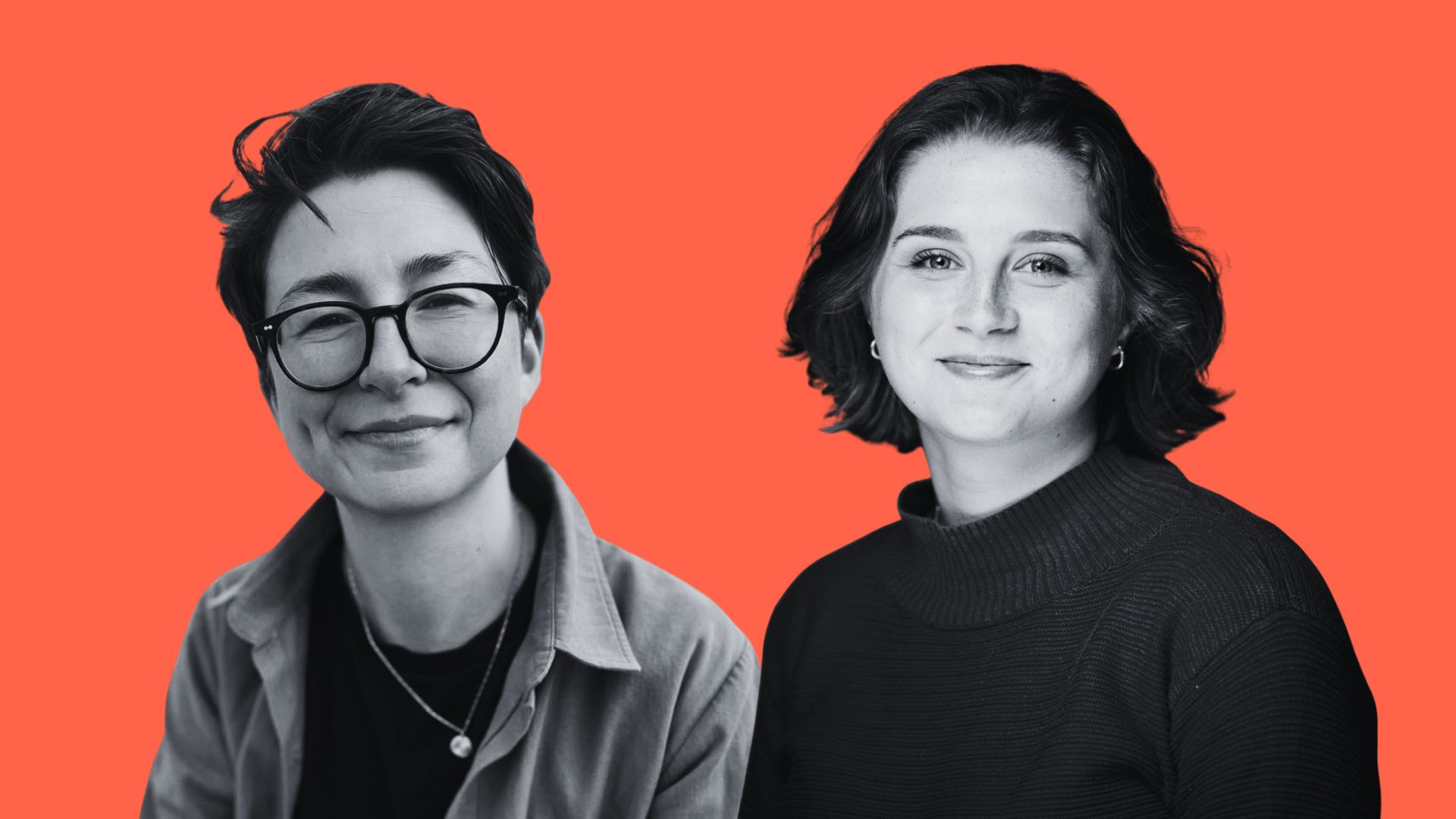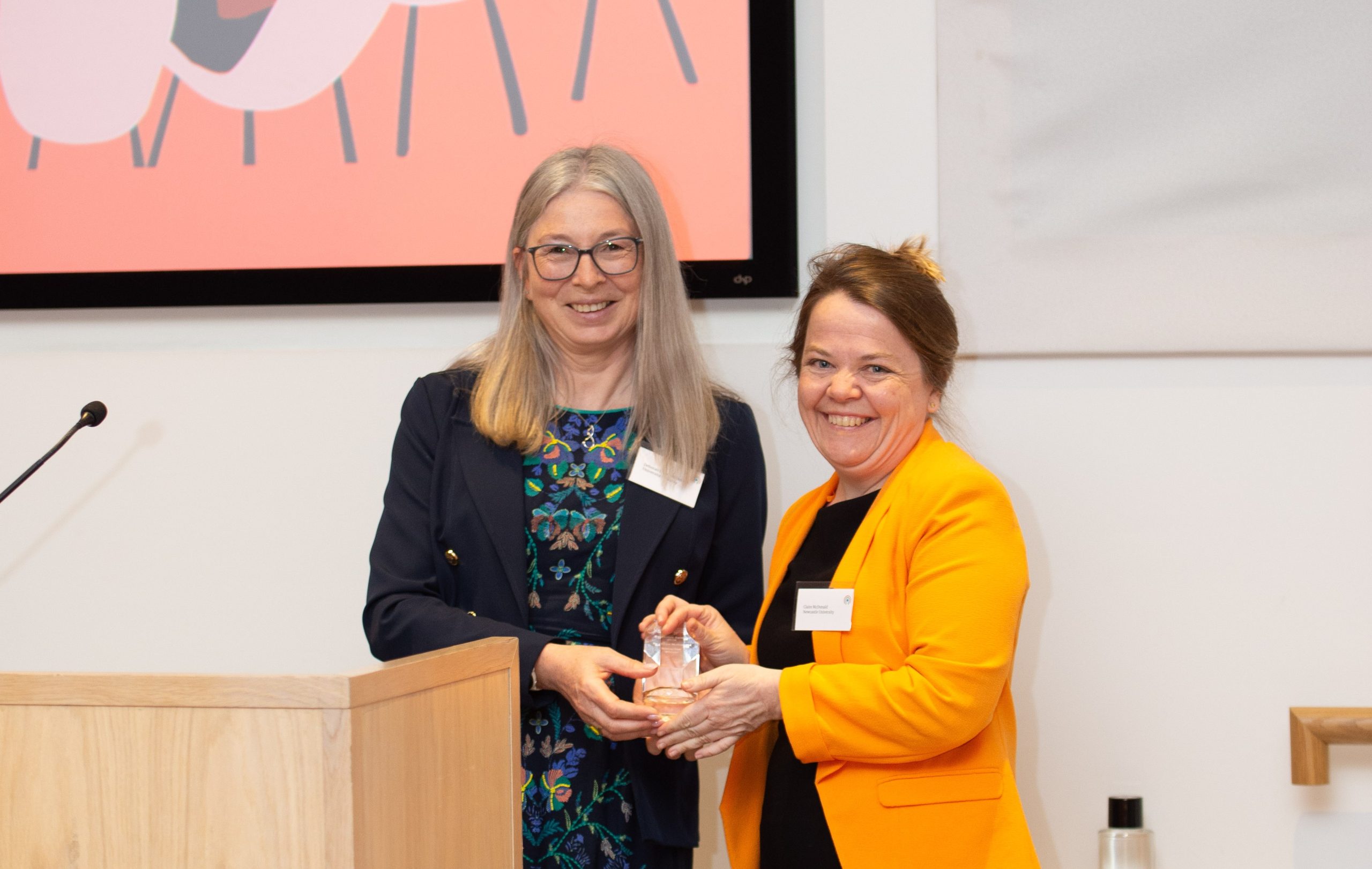
Dr Claire McDonald is one of two recipients of our 2026 Rising Star Vivensa Academy Excellence Award, alongside Dr Mahmoud Bukar Maina. We speak to her about combining clinical medicine with research, why older people with multiple long‑term conditions shouldn’t be excluded from trials, and how she plans to use her award to build a more inclusive, cross‑disciplinary research ecosystem for ageing.
Dr Claire McDonald is a clinical academic who splits her time between frontline NHS care and ageing research. For two days a week, she works in Gateshead Health NHS Foundation Trust where she provides outpatient medicine for a socioeconomically diverse and often underserved population. The rest of her week is spent with the Age Research Group at Newcastle University’s NIHR Biomedical Research Centre. Her research there focuses on sarcopenia (age‑related loss of muscle) and multimorbidity. Claire says: “My days in clinical practice are essential to keep my research grounded in the realities of patient care.”
Previously, Claire was a consultant within the NHS and describes the “challenging” experience of working through the COVID-19 pandemic. During that time, she helped establish a community‑focused research model. Rather than expecting participants to travel, research teams went out into the community wherever possible. That experience, though born from necessity, permanently reshaped how she approaches research design. “It shifted the way we delivered research towards a community‑first approach. That’s particularly important for older people with multiple long‑term conditions. Their needs don’t fit neatly into traditional models.”
Designing trials that reflect real‑world populations
Claire has a particular interest in how we design clinical trials for older people, particularly trials of new interventions. She believes that they need to better reflect real‑world populations – including people from socioeconomically disadvantaged backgrounds, those with mobility issues, cognitive or sensory impairment, and people living with multiple long‑term conditions. This means allowing more time for communication, adapting how and where research is delivered, and rethinking long‑established assumptions about who can participate in research. Claire explains: “It makes little sense to trial medicines in populations that are younger and fitter than the people they’re intended for because their responses, risks and outcomes can be very different.”
Building a translational geroscience ecosystem
Claire is working in the emerging field of translational geroscience. It seeks to target the biological mechanisms of aging that give rise to numerous age-related diseases and disorders – often referred to as the ‘hallmarks of ageing’. The idea is that if you can target those biological mechanisms, you can make improvements across different long-term conditions simultaneously.
A major challenge in translational geroscience is the lack of an established workforce. Claire notes that geriatric medicine is less research‑active compared to specialties like cancer or neurology. And most doctors receive relatively little training in ageing biology.
She will use her award funding to help build research experience in the clinical geriatric community, and connect geriatricians with the people researching ageing biology. She aims to bring together clinicians, ageing biologists, researchers, data scientists and informaticians. “If we’re serious about advancing the field, we need to invest in people as much as science – building the skills and connections needed to bring ageing biology and frontline care closer together.”
Clearly communicating new concepts
Over the first phase of the award, Claire will work with patients and the public to understand how best to communicate geroscience in clear and accessible ways. This is particularly important as many of the concepts are new and not widely understood.
Improving awareness is key to meaningful engagement now, and will be essential in the longer term to support participation and recruitment into research. She will also talk to scientists, clinical teams, trial designers, policy makers and regulators, and rethink what meaningful endpoints might look like across different conditions. “It’s about building an ecosystem,” Claire explains. “One that is thoughtful, inclusive and robust enough to support future large‑scale trials.”
Supporting the next generation
Claire hopes to develop the next generation of translational geroscientists by supporting early and mid-career researchers with cross‑disciplinary fellowships and placements. It’s not just about building research capacity but also creating space for new ways of thinking about ageing and long‑term conditions.
Following an open recruitment round, we are delighted to welcome Claire to our Research Grants Committee. She observed her first meeting in May, and is joining in full from October 2026.
_____________
Connect: Claire is keen to connect with members of Vivensa Academy who have an interest in ageing, multimorbidity, clinical trials or translational geroscience. If you would like to get in touch, you can contact her here.
Nominate: Do you know a rising star in ageing-related research? Our 2027 Excellence Awards will open in September 2026. Members of Vivensa Academy can self-nominate or nominate others. They must explain how they have demonstrated research excellence and a genuine commitment to our key values for research.
Also in the series: Read about our other 2026 Rising Star, Dr Mahmoud Bukar Maina here. Read about our 2026 Team Achievement winners here. And find our article about our 2026 Senior Leader, Professor Nathan Davies, here.