
Today (10 June 2026) is Age Without Limits Day, an annual day organised by the Centre for Ageing Better. It seeks to bring people together to challenge ageism and celebrate ageing.
This year’s Age Without Limits Day focuses on the power of questions. It’s a chance to question the assumptions, stereotypes and everyday barriers that shape how we think about older age.
At Vivensa Foundation, that spirit of questioning is central to our work. By funding bold ideas and practical solutions to improve our health and wellbeing as we age, we support people and projects that are challenging ageism in many different ways. Here are just a few of the questions our award-holders and partners are asking — and why they matter.
Why are older people excluded from clinical trials?
Dr Claire McDonald – a clinical academic who splits her time between frontline NHS care and ageing research – was one of two recipients of our 2026 Rising Star Vivensa Academy Excellence Award. She has a particular interest in how we design clinical trials for older people, particularly trials of new interventions. She believes that they need to better reflect real‑world populations – including people from socioeconomically disadvantaged backgrounds, people from a range of ethnic backgrounds, those with mobility issues, cognitive or sensory impairment, and people living with multiple long‑term conditions. Claire explains: “It makes little sense to trial medicines in populations that are younger and fitter than the people they’re intended for because their responses, risks and outcomes can be very different.”
Read more about Claire and her work here.
Who says older people don’t like hip-hop?
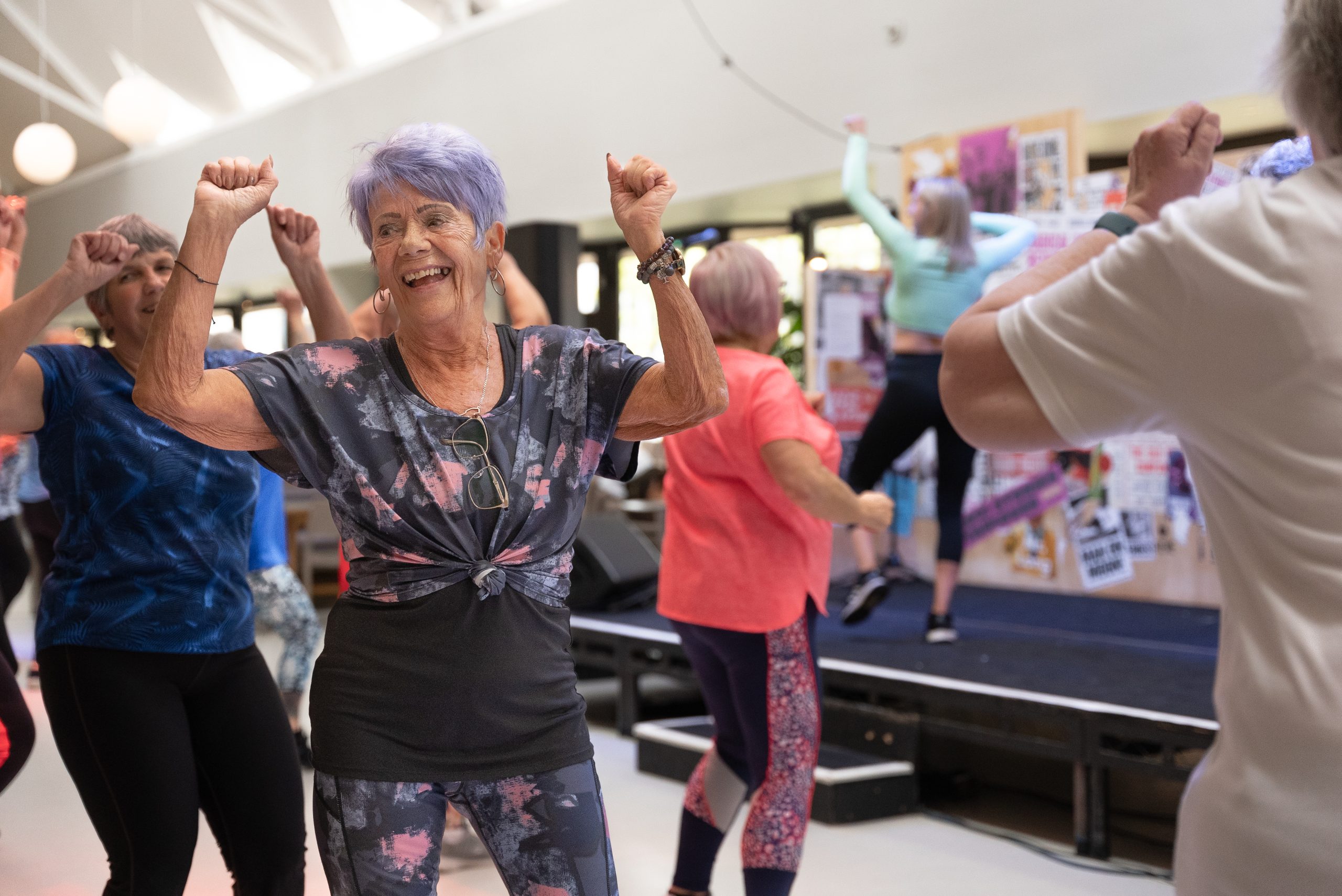
Not all older people want to be taking part in nostalgic singalongs – some of them would rather be hip-hop dancing. At least, judging by the success of The Blair Academy who we invested in through our social investment fund last year. The social enterprise supports happy, healthy ageing through hip-hop dance classes. What started with one weekly chair-based hip-hop class in a care home has gone up to 30 classes a week. And that number continues to rise! As founder Charlie Blair says: “Too often, ageing is associated with limitation – but creativity, self-expression, rhythm and fun don’t disappear with age. When we create spaces where older people can move, laugh, connect and feel seen, the impact goes far beyond physical well-being.”
What happens when we actually ask older people what they want from housing?
It is estimated that a quarter of the UK population will be over 65 by 2043. This demographic shift will have significant implications for the housing market. That’s why Ipsos and the Housing Learning and Improvement Network (LIN) decided to ask some questions. Their survey on the housing preferences of older adults was completed by 5,500 people aged 50+. The resulting report, Older People’s Housing Preferences, offers critical and comprehensive evidence. It sheds light on the integral role housing plays in supporting health and well-being. One thing is clear – the need for innovative housing and policies is urgent. To address this, we are funding the SHAPE Exchange. This 5-year programme is led by Housing LIN and will respond directly to what older people say they want.
These questions matter because they challenge the assumptions that too often shape later life. We’re proud to support people and projects that are questioning ageism – today and every day. And to help build a future in which older age is understood in all its diversity, creativity and potential.
_______________________
You can read more stories from our award-holders here, and find out about our funding opportunities here.
#AgeWithoutLimitsDay #QuestionAgeism